The Benefits Of Smaller Class Sizes For Student Learning And Growth
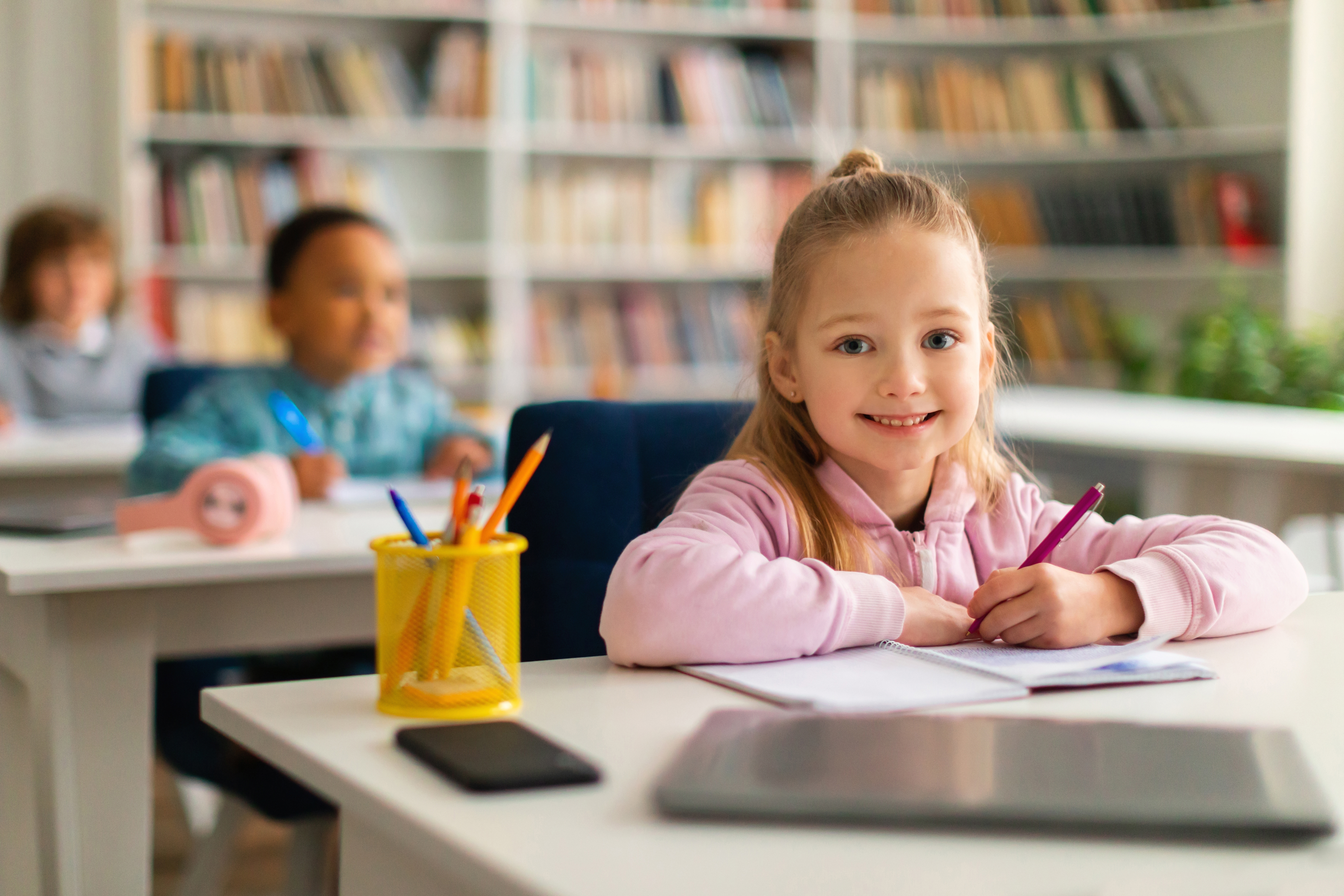
Choosing the right early learning environment can make a meaningful difference in a child’s confidence, curiosity, and development. For many families, smaller class sizes offer the personal attention and supportive setting children need to grow socially, emotionally, and academically. In a smaller classroom, teachers can better understand each child’s learning style, strengths, and areas where they may need extra guidance.
More Individual Attention From Teachers
One of the biggest benefits of smaller class sizes is the opportunity for more one-on-one attention. When teachers are responsible for fewer students, they can spend more time observing, guiding, and encouraging each child. This allows them to notice when a student is ready for a new challenge or needs help with a specific skill.
For young learners, this kind of attention helps build trust. Children feel seen, supported, and more comfortable asking questions or trying something new. Over time, that confidence can lead to stronger participation and a more positive attitude toward learning.
A Better Environment For Early Learning
Smaller classrooms often create a calmer, more focused learning environment. With fewer distractions and more structured support, students can stay engaged in lessons, activities, and group interactions. Teachers can also adjust the pace of learning based on the needs of the class instead of rushing through the day.
In early childhood education, this matters because children are still building foundational skills. A smaller class size can support:
• Stronger communication between teachers and students
• More meaningful peer relationships
• Better classroom routines and transitions
• Increased confidence during group activities
• More opportunities for hands-on learning
These daily experiences help children feel secure while they develop the skills they need for future school success.
Stronger Social And Emotional Growth
Learning is not only about letters, numbers, and classroom activities. Children also need to learn how to share, listen, solve problems, and express their feelings in healthy ways. Smaller class sizes make it easier for teachers to guide these moments as they happen.
When a child struggles with frustration, shyness, or conflict with a peer, teachers in smaller classrooms can step in with patient support. This helps children learn how to manage emotions, build friendships, and feel more connected to their classroom community.
More Personalized Learning Experiences
Every child develops at their own pace. Some children may need more time to master a concept, while others may be ready for more advanced activities. Smaller class sizes give teachers the flexibility to personalize lessons and provide activities that match each child’s needs.
This individualized approach can be especially helpful during preschool and early childhood years, when children are developing important cognitive, motor, language, and social skills. Instead of feeling overlooked, students receive guidance that helps them move forward with confidence.
Better Family Communication
Smaller learning environments can also support stronger communication with families. Teachers are often able to provide more detailed updates about a child’s progress, behavior, interests, and milestones. This helps parents feel more connected to their child’s day and more informed about their growth.
When families and teachers work closely together, children benefit from consistency between home and school. That partnership can make early learning feel more supportive, personal, and effective.
To learn more about our smaller class sizes and early childhood programs, contact Natick Children’s House today. Email us at natickchouse@gmail.com for more information.

Montessori Model
Learn More
Keep
In Touch
MAP
© 2026 Natick Children's House. All Rights Reserved. Accessibility Statement - Privacy Policy - Sitemap
Powered by: